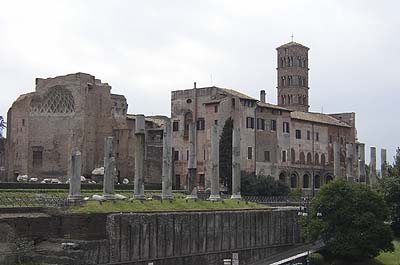
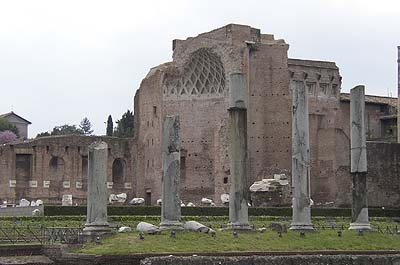
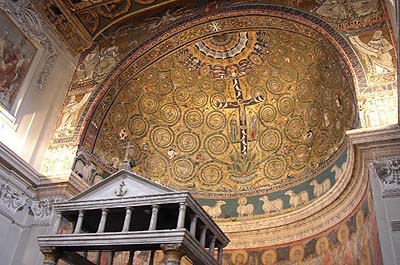
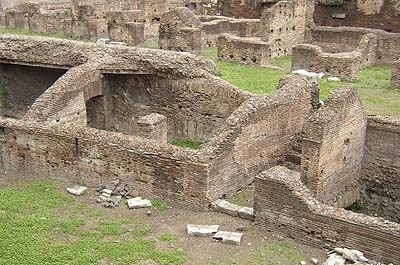
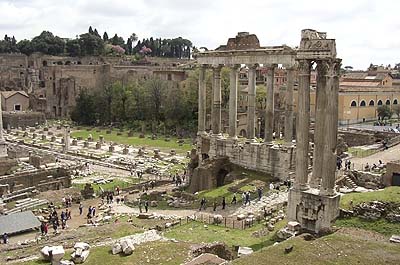
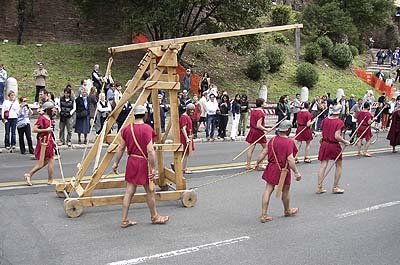
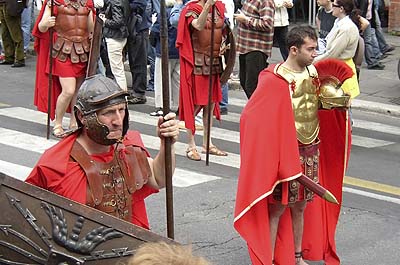
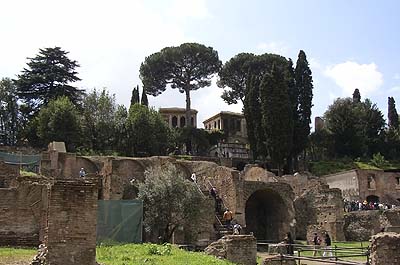
| The legendary beginnings of Rome are related in the tale of Romulus and Remus. Princess Rhea Silvia, ravished by Mars (the God of War), gave birth to the twins and abandoned them to fate. The River Tiber carried them to the Palatine Hill, where a she-wolf mothered the babes until their discovery by a shepherd. Romulus later killed Remus, before going on to found Rome in the marshy lowlands of seven hills. The anniversary of Rome’s foundation (21 April 753BC) is now marked by a public holiday. The historians’ version is no less astonishing. It traces the rise of the city from unimportant pastoral settlement (the earliest remains date back to the ninth century BC) to vast empire, ruled over by a string of emperors. Rome saw a second period of development during the 15th-century Renaissance, when the Papacy took up permanent residence in the city. Although Rome’s power has since waned, the city remains the essence of European civilisation. |